
Exploring the Cosmic Symphony of Space Sounds
March 24, 2026
Listen to this lesson:
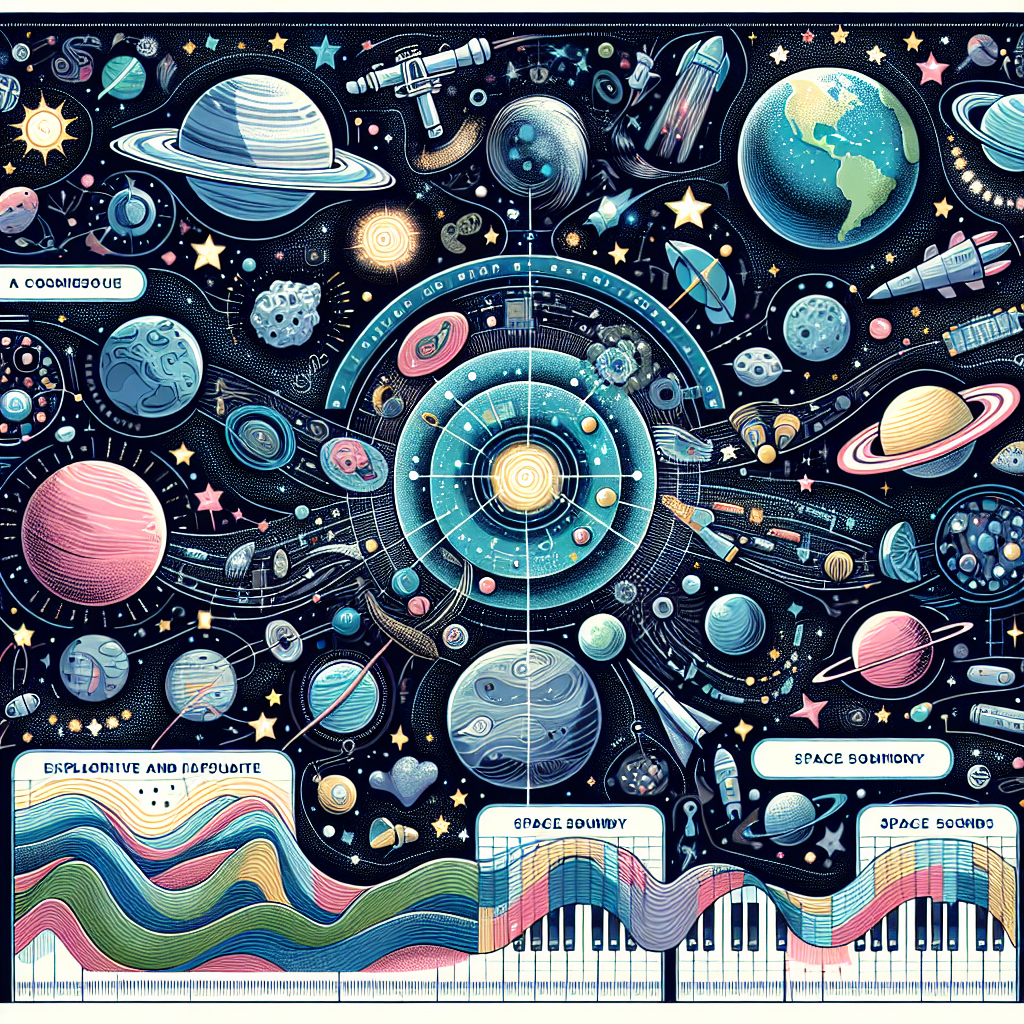
Imagine if space had its own unique music, a symphony created by the celestial bodies and cosmic phenomena far beyond our sight. While space is a vacuum where traditional sound waves cannot travel, scientists have discovered ways to translate electromagnetic waves from planets, stars, and even black holes into sounds we can hear. These space sounds can range from the eerie whistles of Saturn's radio emissions to the rhythmic pulses of pulsars, offering an auditory glimpse into the universe's secrets.
One fascinating example is the 'singing' of Earth, which comes from its magnetosphere interacting with solar wind. By using special instruments on spacecraft, researchers have captured these interactions and converted them into audio, creating a soundtrack of our planet's dynamic environment. Listening to these sounds helps scientists understand more about the processes that govern our solar system and the broader cosmos.
As we decode these cosmic melodies, we gain insights into the invisible forces shaping the universe. Each sound tells a story, revealing the hidden dances of celestial bodies and the powerful energies at play. This auditory exploration challenges us to imagine what other kinds of 'music' might be playing in galaxies far, far away.
One fascinating example is the 'singing' of Earth, which comes from its magnetosphere interacting with solar wind. By using special instruments on spacecraft, researchers have captured these interactions and converted them into audio, creating a soundtrack of our planet's dynamic environment. Listening to these sounds helps scientists understand more about the processes that govern our solar system and the broader cosmos.
As we decode these cosmic melodies, we gain insights into the invisible forces shaping the universe. Each sound tells a story, revealing the hidden dances of celestial bodies and the powerful energies at play. This auditory exploration challenges us to imagine what other kinds of 'music' might be playing in galaxies far, far away.
Ask Your Kid: What kind of sounds do you think other planets or stars might make, and how could we use those sounds to learn more about them?